Why You Should Choose RayBiotech for Simoa Services
For Our Multiplexing Capability
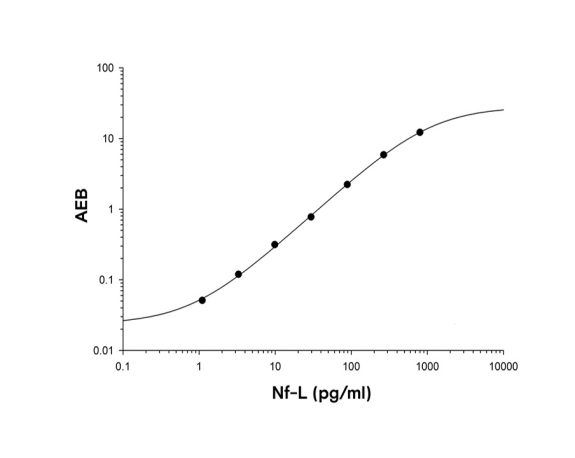
If you need multi-analyte detection, RayBiotech can multiplex up to 4 analytes per test, without requiring any additional sample. In addition to our popular neurological panel (Aβ40, Aβ42, GFAP, Nf-L), we also provide panel customization to your specifications.
For Our Extensive Catalog of Validated Antibody Pairs
If you don’t see your target in the list of assays below, we can convert any of our validated ELISA antibody pairs into the ultrasensitive Simoa assay format. Browse our ELISA target list. If you prefer to run your own assay, browse our antibody pairs, including a complete list of ready-to-use Simoa antibody pair kits.
For Our Years of Experience
Founded in 2001 as the first company to commercialize the antibody array, we continue to use our decades of experience in multiplex, high-throughput protein analysis to deliver outstanding protein detection and analysis services to the research community.
How Simoa Works
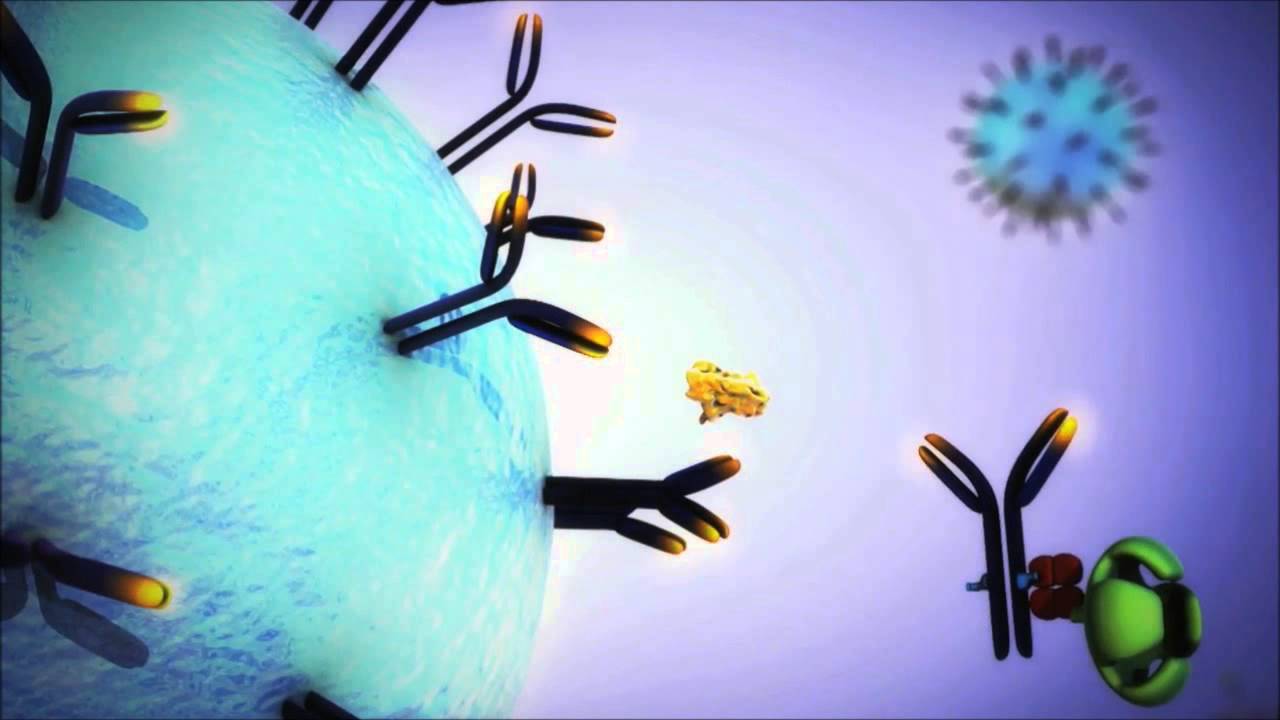
Simoa is an ultrasensitive ELISA that uses antibody-coated beads, a fluorescently conjugated detection antibody, and digital readout. After the beads, sample, and detection antibody have been mixed together, the solution is applied to a cartridge with over 235,000 microwells. Each microwell can hold only one bead. Oil is then added to the cartridge, which pushes the sample across the surface of the microwell array and forms a liquid-tight seal of the wells.
The fluorescence of each well is measured using a fully or semi-automated system equipped with a fluorescent microscope. The instrument is manufactured by the developer of Simoa(Quanterix; Billerica, MA; USA). Quantitation of target protein concentration is based on the number of microwells with fluorescent signal and not the intensity of the fluorescent signal, making the readout a "digital" one. Since each well can contain only one bead, the number of microwells with fluorescence is proportional to the amount of target protein in the sample. This approach enables quantitative, ultrasensitive single molecule detection.