Remote Sample Collection: The Complement to Telemedicine
In recent years, the healthcare industry has seen increasing interest and expanding implementation of telemedicine and remote options for care. The ongoing COVID-19 pandemic has caused more rapid adoption of such practices. For example, the US Centers for Medicare and Medicaid Services broadened the range of telemedicine services it reimburses to help expand access to this form of care and technologies that allow for virtual, remote interaction with the healthcare system [1]. Telemedicine and remote sampling could allow services to reach patients that might otherwise go unperformed, due to the pandemic or for other reasons.
Remote, or at-home medical testing and sampling are not new practices. Currently, the majority of health data gathered remotely includes non-invasive measures of vital signs: blood pressure, temperature, heart rate, respiratory rate, weight, etc. These may also include collection of bio-fluids for routine monitoring: for example, blood sugar, blood oxygen levels, electrocardiograms, creatinine levels, or therapeutic drug levels [2]. Often these bio-fluid collections can be done entirely by the patient using at-home collection methods (Figure 1). This represents a convenient alternative to laboratory blood draws, especially for those who need frequent monitoring or who live far from hospitals and clinics. Remote self-collection is also more comfortable and less stressful for the individual as well as decidedly more convenient, obviating the need to take time away from work or school to schedule a laboratory visit.
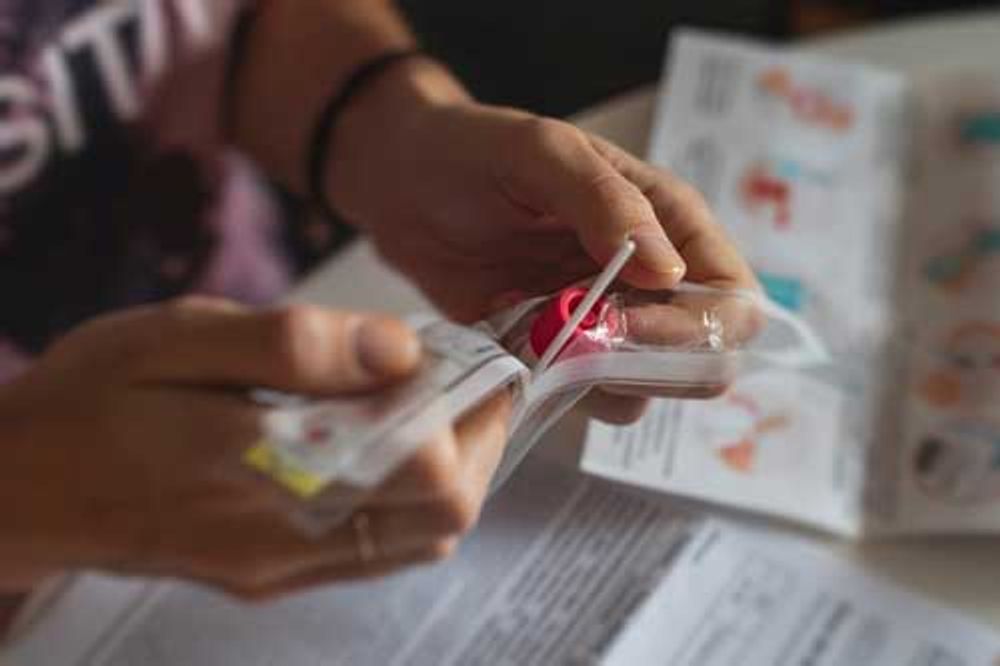
Figure 1. At-home sample collection
At-home testing: pros and cons
The lab testing industry has long relied on remote sampling for its convenience and reduced costs [3]. Generally, laboratories can use their current instrumentation to process and analyze self-collected samples similarly to in-office collected samples, while providing robust results. At-home testing for wellness (allergies, food sensitivities, and DNA testing) is commonplace [4,5]. However, implementation into the more clinical arena of health and wellness is less robust, and only a small number of clinical lab tests are routinely done with samples self-collected remotely.
Three main issues hinder a more widespread implementation of remote sampling of bio-fluids for clinical assessments:
- Ability to ensure the sample is collected correctly
- Conveying clear information about how to interpret test results
- Ability to maintain sample integrity via correct shipping and storage
Sample collection: The best way to ensure correctly collected samples is to provide clear, easy-to-follow instructions. The recent innovations in collection kit designs and reliability have also minimized points of potential error and improved the utility and robustness of results generated from them.
Result interpretation: Similarly, a remote telemedicine appointment can be conducted with the healthcare provider to ensure proper conveyance of the interpretation of any results.
Sample storage: The issue of sample quality is more difficult to assess. For example, if the individual collects a sample, but then leaves the sample in a hot car prior to mailing it, or fails to store or ship the sample according to recommended guidelines, the sample could provide inaccurate results. Furthermore, these less-than-ideal conditions cannot be as easily tracked as they would in a laboratory collection. That said, these issues are not as important for wellness and DNA testing where the results do not generally inform critical health decisions.
However, with the recent trend toward more remote sampling and telemedicine, the implementation of such techniques and collection kits are expanding. Clinical remote monitoring teams can manage all aspects of care from patient enrollment (Figure 2), including:
- Requests for patients to provide a remote sample
- Providing drop-shipped at-home collection kits that can be easily returned to a laboratory of choice
- Digitally monitoring health data
- Remote consults for interpretation of these results
- Potential to escalate care to in-clinic appearances
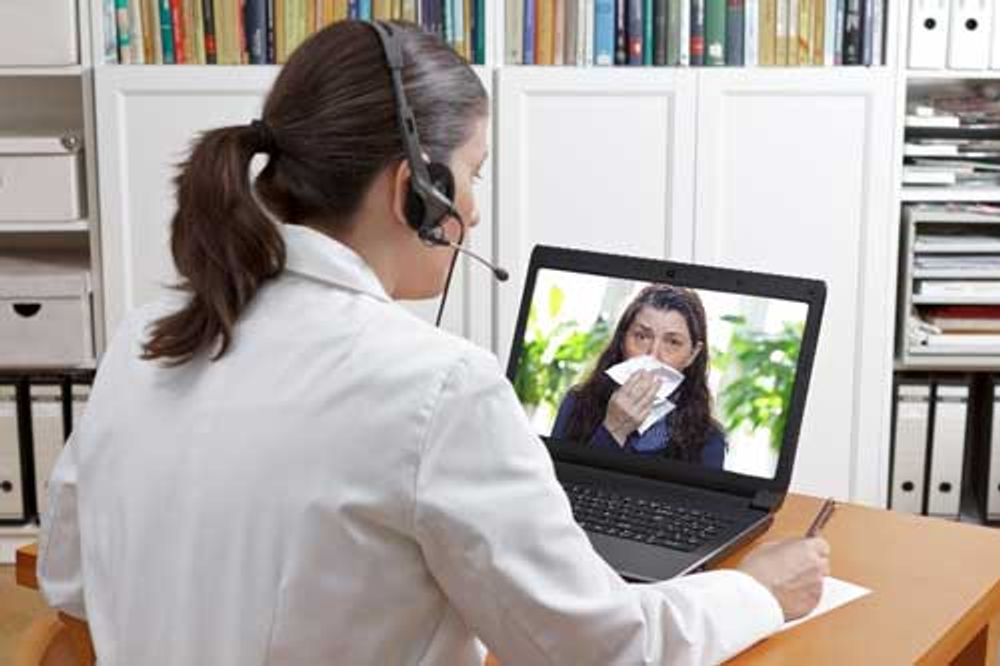
Figure 2. Clinical remote monitoring of patient care
This model can give people access to more care from the comfort of their homes, where they feel safer, as well as potentially more frequent communications with healthcare providers, all of which can improve overall health.
Dried blood and saliva - the best route?
There are 2 common methods of remote sampling that are ideal for the model proposed above: dried blood sample and saliva sample collections. Dried blood sample collection has been available since the 1960s and has been used for assessment of analytes using bioanalytical assays including mass spectrometry [6-8], microbiological assays [9], immunoanalytical assays [10], toxicokinetic and pharmacokinetic studies [11], drug development [12], therapeutic drug monitoring [13], clinical pharmacology [14], forensic toxicology [15], metabolic profiling [14], environmental control, and epidemiological disease surveillance [14, 16]. Remote dried blood sampling provides a number of advantages over current laboratory logistics. First, it significantly reduces materials costs for sample collection (e.g. no large equipment, no nurse, and no laboratory is needed), and secondly, it significantly reduces shipping and storage costs (e.g. no ice or freezing for collection and storage is required). Thus, a sample can be collected anywhere, anytime. Previous issues with dried blood collection, namely the impact of the variability of volume of blood collected and the hematocrit effect, have been addressed with volumetric collection devices (e.g. PanoHealth, Neoteryx, etc.) (Figure 3) [17].
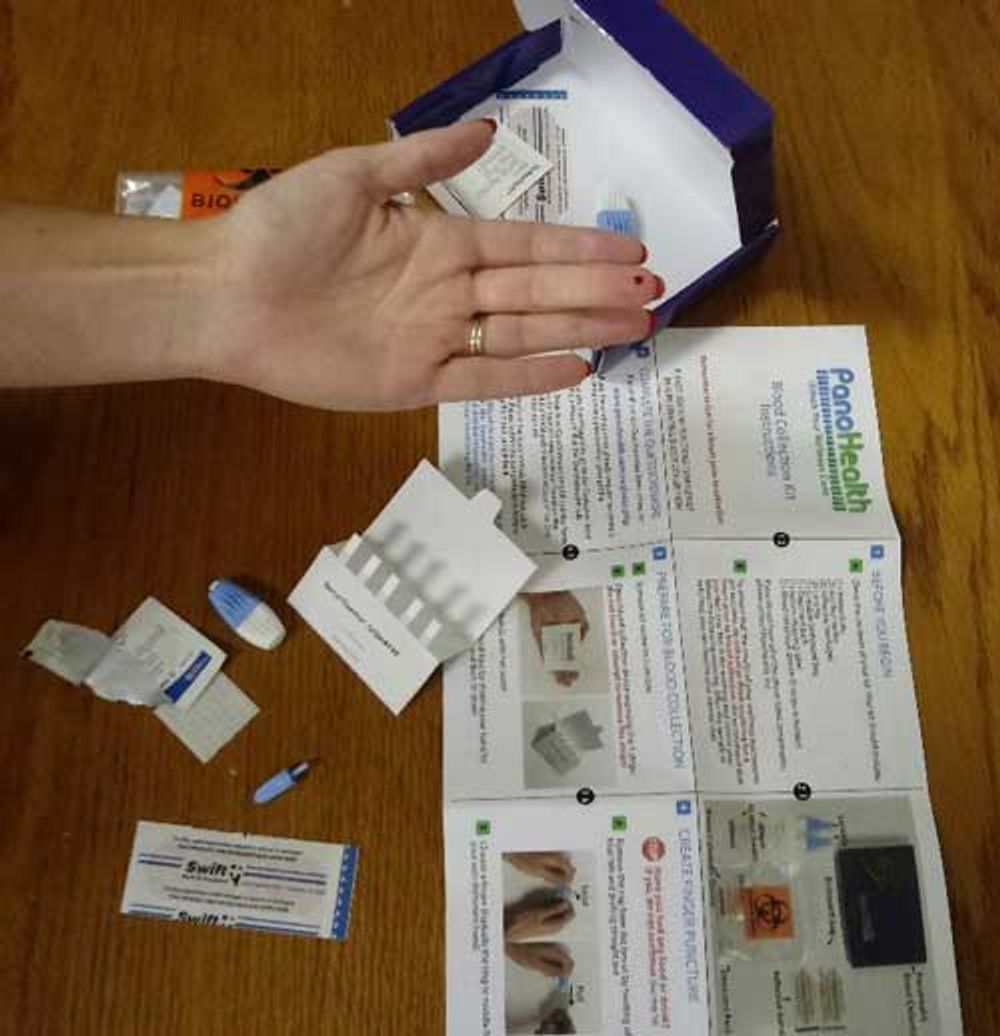
Figure 3. At-home collection with the PanoHealth Blood Collection Kit
Challenges of dried blood analysis
Certain aspects related to the optimization of sample extraction are still not standardized and may be important depending on the downstream assay to be used. In addition, the large body of established knowledge is based on analysis of serum or plasma, which is not 100% comparable to dried blood. This represents a significant hurdle for substituting dried blood in common laboratory tests. Thus, the validity still needs to be assessed each time. Recently, attempts have been made in this direction from equipment manufacturers (e.g. Camag) and in the broader scientific community [18] so it is likely that interfacing solutions and more standardized protocols for analysis of dried blood samples with particular assays will be available in the near future. Thus, remote dried blood sampling offers a stable, trackable, and user-friendly format that is ideal for collection of inaccessible or repeated samples that can be analyzed for a variety of molecules.
Saliva: a fluid with diverse applications
The other common method of remote sampling that would be suitable for implementation for remote clinical monitoring is saliva collection. Similarly to dried blood, saliva has been used in the clinic for many years. Saliva is especially amenable to diagnostics and monitoring of the endocrine system (steroids and hormones), [20,21], infectious disease testing, including COVID-19 [22,23], inflammatory responses, (e.g., antibody detection) [24], therapeutic drugs [25], and genetic testing [26]. Its advantages are also similar to dried blood collection: safe, non-invasive, affordable, and accurate. It has been used routinely in children, who find spitting more fun compared to venipuncture, which often incites fear. Saliva can often be used as a whole, untreated biological fluid, without the complicated sample extraction procedure that is required for dried blood, which minimizes potential sources of error and the complexity of the procedure. Saliva can also be stored at ambient temperature for extended periods, depending on the collection device. Devices that filter out bacteria and enzymes or add molecules to promote stability are often used (e.g. PanoHealth's Nucleic Acid Saliva Collection Kit and Saliva Collection kit) (Figure 4) [27-29].
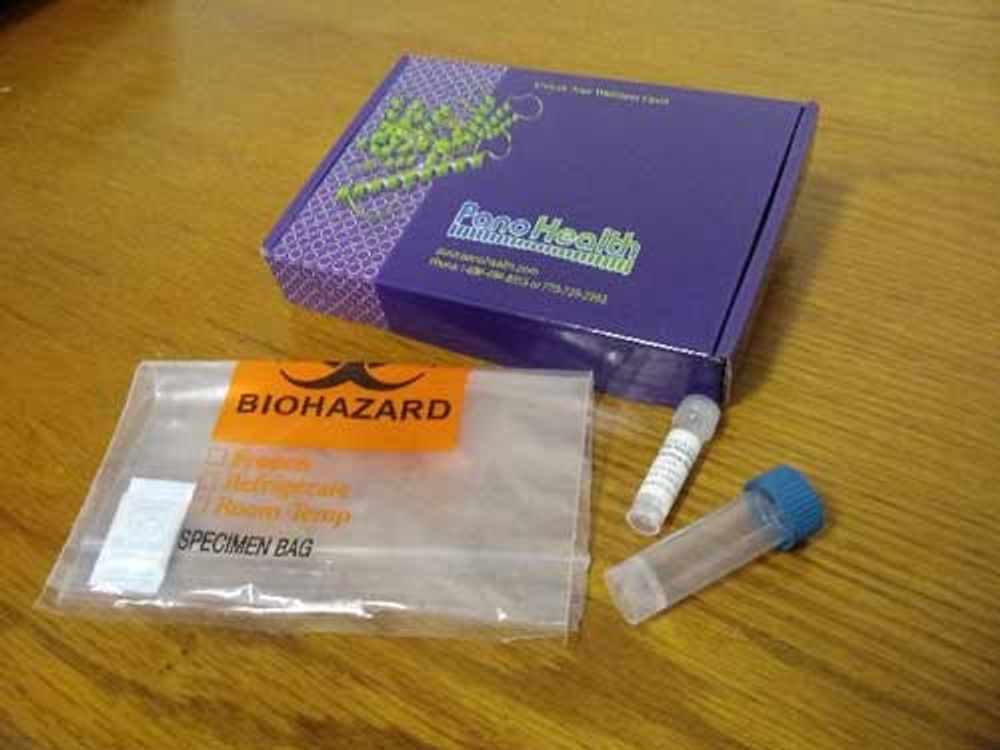
Figure 4. The PanoHealth Nucleic Acid Saliva Collection Kit
A broader clinical adoption of these sample types and remote collection should provide additional opportunities for more individualized and streamlined health monitoring and care along with overall improved health and wellness [19].
References
- https://www.cms.gov/newsroom/fact-sheets/medicare-telemedicine-health-care-provider-fact-sheet
- Zhao F, Li M, Tsien JZ. Technology platforms for remote monitoring of vital signs in the new era of telemedicine. Expert Rev Med Devices. 2015;12(4):411-429.
- Slotwiner D, Wilkoff B. Cost efficiency and reimbursement of remote monitoring: a US perspective. Europace. 2013;15 Suppl 1:i54-i58.
- Frueh FW, Greely HT, Green RC, Hogarth S, Siegel S. The future of direct-to-consumer clinical genetic tests. Nat Rev Genet. 2011;12(7):511-515. Published 2011 Jun 1.
- https://www.eurekalert.org/pub_releases/2013-04/rla-faa040513.php
- SOONS, J. & BREE, M. & COUMOU, J. & HULSMAN, J.. (2006). Lamotrigine in dried blood spots by HPLC. Nederlands Tijdschrift voor Klinische Chemie en Laboratoriumgeneeskunde. 31.
- Barfield, M.; Spooner, N.; Lad, R.; Parry, S. & Fowles, S. (2008). Application of dried blood spots combined with HPLC-MS/MS for the quantification of acetaminophen in toxicokinetic studies. J. Chrom. B. 870:32-37.
- Déglon J, Lauer E, Thomas A, Mangin P, Staub C. Use of the dried blood spot sampling process coupled with fast gas chromatography and negative-ion chemical ionization tandem mass spectrometry: application to fluoxetine, norfluoxetine, reboxetine, and paroxetine analysis. Anal Bioanal Chem. 2010;396(7):2523-2532.
- O'Broin, S. & Gunter, E. (1999). Screening of folate status with use of dried blood spots on filter paper. Am. J. Clinical Nutrition 70:359–367.
- CDC (Center of Disease Control) (2009) Newborn quality assurance program – filter comparison study. http://www.cdc.gov/labstandards/pdf/nsqap/nsqap_FilterPaperStudy51809.pdf
- Barfield, M., et al., Application of dried blood spots combined with HPLC-MS/MS for the quantification of acetaminophen in toxicokinetic studies. Journal of Chromatography B: Analytical Technologies in the Biomedical and Life Sciences, 2008. 870(1): p. 32-37.
- Xu, Y., et al., Merck's perspective on the implementation of dried blood spot technology in clinical drug development - why, when and how. Bioanalysis, 2013. 5(3): p. 341-350.
- Vu, D.H., et al., Simultaneous determination of rifampicin, clarithromycin and their metabolites in dried blood spots using LC-MS/MS. Talanta, 2014. 121: p. 9-17.
- Demirev, P.a., Dried blood spots: Analysis and applications. Anal. Chem., 2013. 85(2): p. 779-789.
- Versace, F.D.J.L.E.M.P. and C. Staub, No Title. Chromatographia, 2013. 76(19-20): p. 1281-1293.
- Downs, J.A., et al., Correlation of serum and dried blood spot results for quantitation of Schistosoma circulating anodic antigen: a proof of principle. Acta Trop, 2015. 150: p. 59-63.
- Spooner, N.; Lad, R. & Barfield, M. (2009). Dried Blood Spots as a Sample Collection Technique for the Determination of Pharmacokinetics in Clinical Studies: Considerations for the Validation of a Quantitative Bioanalytical Method. Anal. Chem.81:1557–1563.
- Kertesz, V. & Van Berkel, G. J. (2010). Fully Automated Liquid Extraction-Based Surface Sampling and Ionization Using a Chip-Based Robotic Nanoelectrospray Platform. J. Mass Spectrom.,45:252-260.
- Crawford ML, Collier BB, Bradley MN, Holland PL, Shuford CM, Grant RP. Empiricism in Microsampling: Utilizing a Novel Lateral Flow Device and Intrinsic Normalization to Provide Accurate and Precise Clinical Analysis from a Finger Stick. Clin Chem. 2020;66(6):821-831.
- Castagnola M, Scarano E, Passali GC, et al. Salivary biomarkers and proteomics: future diagnostic and clinical utilities. Biomarkers e proteomica salivari: prospettive future cliniche e diagnostiche. Acta Otorhinolaryngol Ital. 2017;37(2):94-101.
- Price, D. A., Astin, M. P., Chard, C. R. & Addison, G. M. (1979) Assay of hydroxy progesterone in saliva. Lancet1:368.
- Corstjens PL, Abrams WR, Malamud D. Detecting viruses by using salivary diagnostics. J Am Dent Assoc. 2012;143(10 Suppl):12S-8S.
- Khurshid Z, Asiri FYI, Al Wadaani H. Human Saliva: Non-Invasive Fluid for Detecting Novel Coronavirus (2019-nCoV). Int J Environ Res Public Health. 2020;17(7):2225.
- Nigatu, W., Nokes, D. J., Enquselassie, F., Brown, D. W., Cohen, B. J., Vyse, A. J. & Cutts, F. T. (1999) Detection of measles specific IgG in oral fluid using an FITC/ant-FITC IgG capture enzyme linked immunosorbent assay (GACELISA). J. Virol. Methods83:135–144.
- Riad-Fahmy, D., Read, G. F., Walker, R. F. & Griffiths, K. (1982) Steroids in saliva for assessing endocrine function. Endocr. Rev.3:367–395.
- Mahon SM. Direct-to-Consumer Genetic Testing: Helping Patients Make Informed Choices. Clin J Oncol Nurs. 2018;22(1):33-36.
- Nimmagudda RR, Ramanathan R, Putcha L. A method for preserving saliva samples at ambient temperatures. Biochem Arch. 1997;13(3):171-178.
- Barbaro A, Cormaci P, Barbaro A. Detection of STRs from body fluid collected on IsoCode paper-based devices. Forensic Sci Int. 2004;146 Suppl:S127-S128.
- Miller EM, McConnell DS. The stability of immunoglobulin a in human milk and saliva stored on filter paper at ambient temperature. Am J Hum Biol. 2011;23(6):823-825.